See the interaction
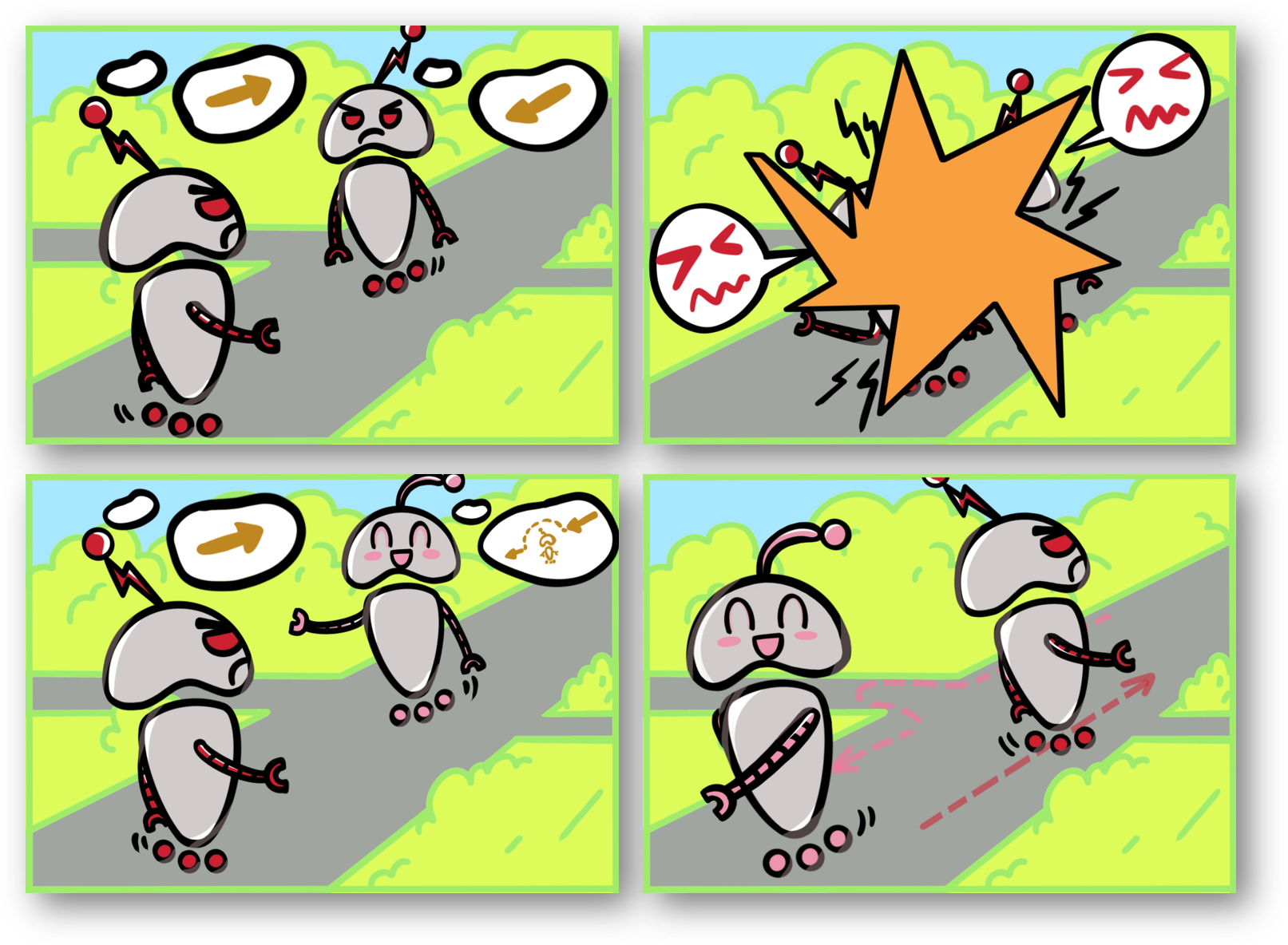
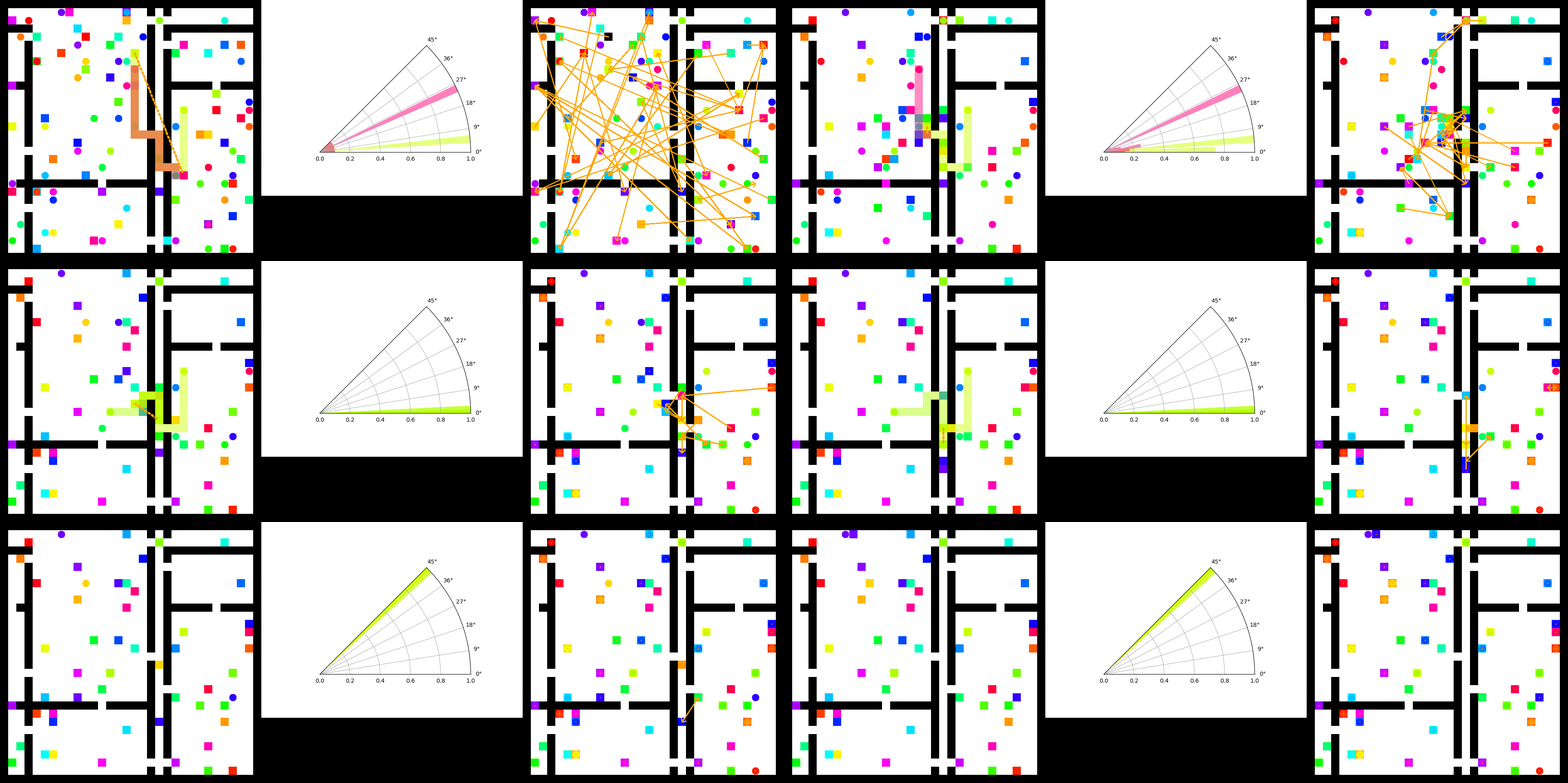
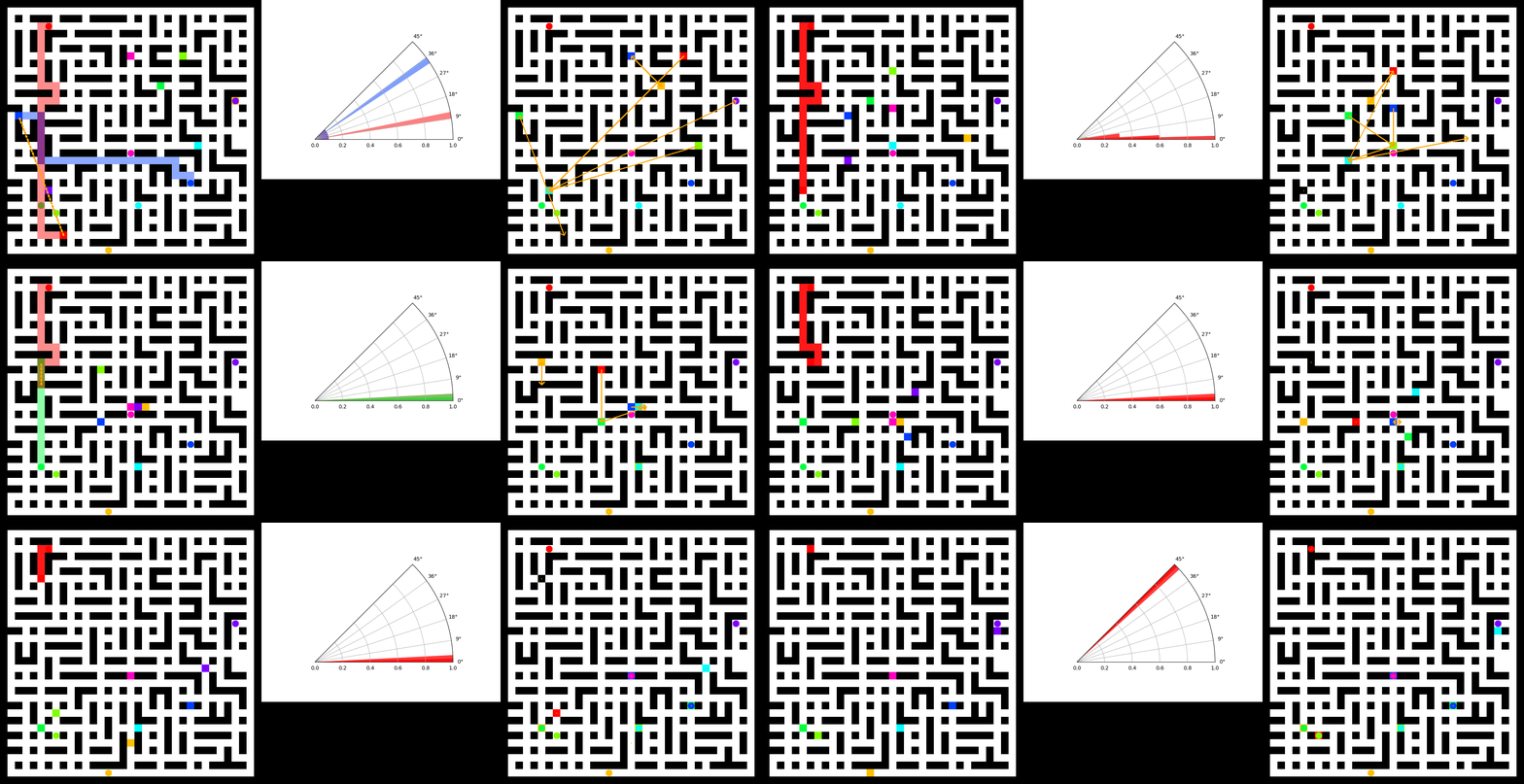
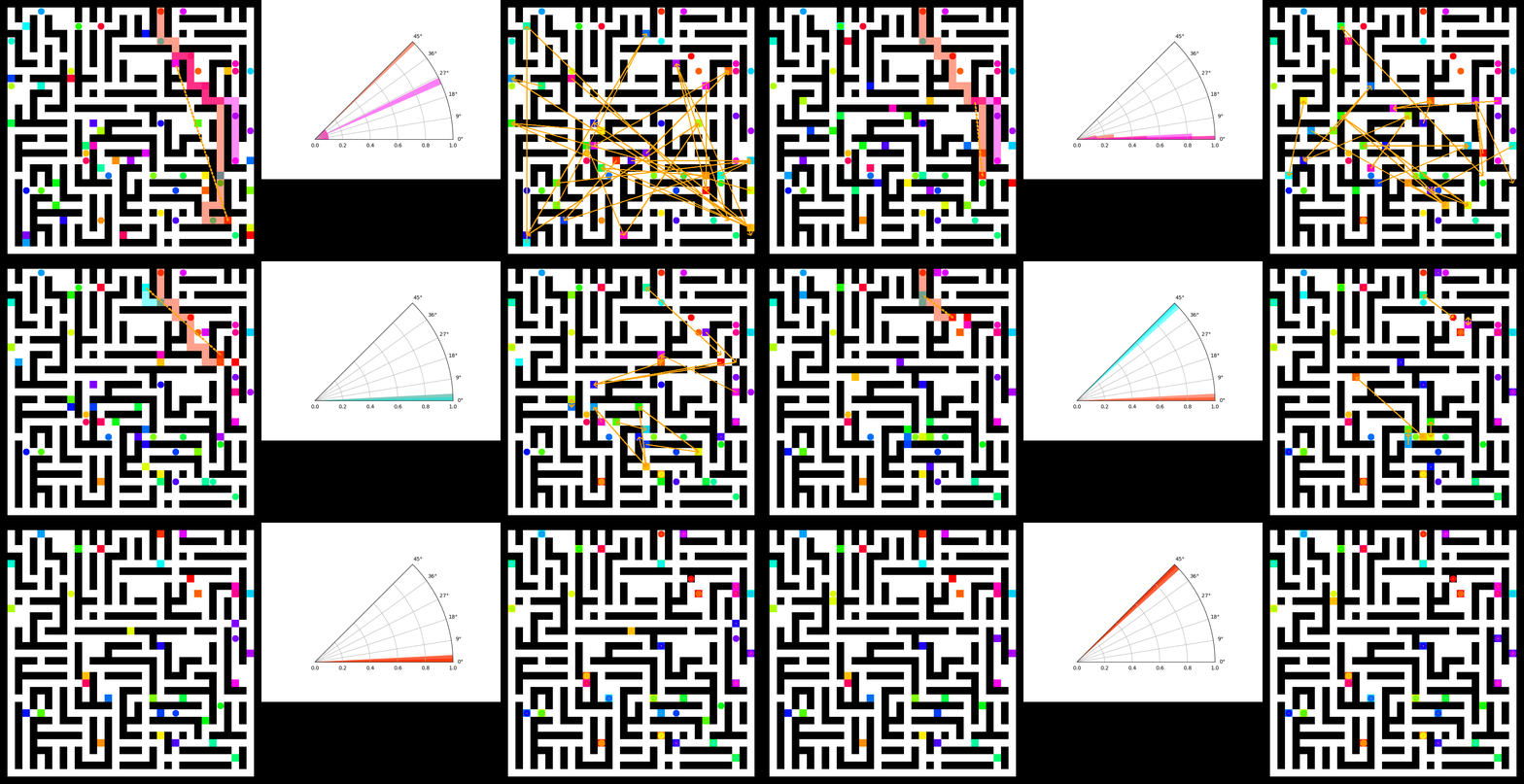
Agents predict future conflicts and identify the neighbor who matters most.
Learning-based multi-agent pathfinding
SYLPH helps teams of agents escape pathfinding dilemmas by learning when to be selfish, when to yield, and how to coordinate.
The idea
Multi-Agent Path Finding (MAPF) asks a team of agents to find collision-free paths through a shared environment. Learning-based systems scale by deploying the same decentralized network to every agent—but identical policies can produce identical behavior, leaving agents locked in symmetric conflicts. SYLPH introduces dynamic social roles through Social Value Orientation (SVO). Each agent predicts its most influential interaction, selects an appropriate level of selfishness or altruism, and follows an SVO-conditioned motion policy. By sharing these social preferences with nearby agents, the team can produce nuanced, varied responses that break ties while retaining the scalability of parameter sharing. Across random, room-like, and maze-like maps, SYLPH outperforms prior learning-based MAPF planners and transfers to physical robots.
Agents predict future conflicts and identify the neighbor who matters most.
Each agent dynamically selects how selfishly or altruistically to behave.
A shared, SVO-conditioned policy turns social intent into coordinated motion.
Simulation
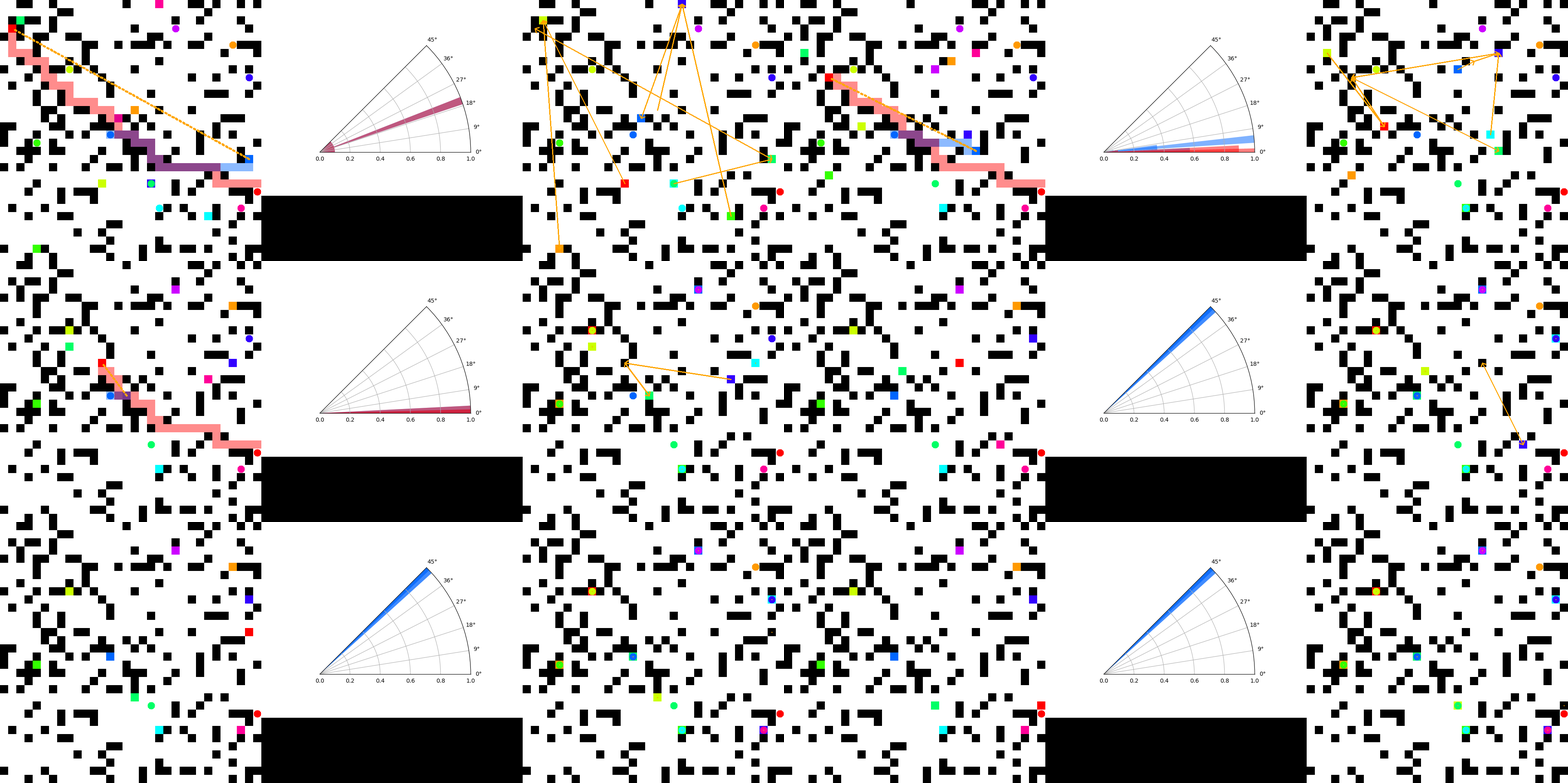
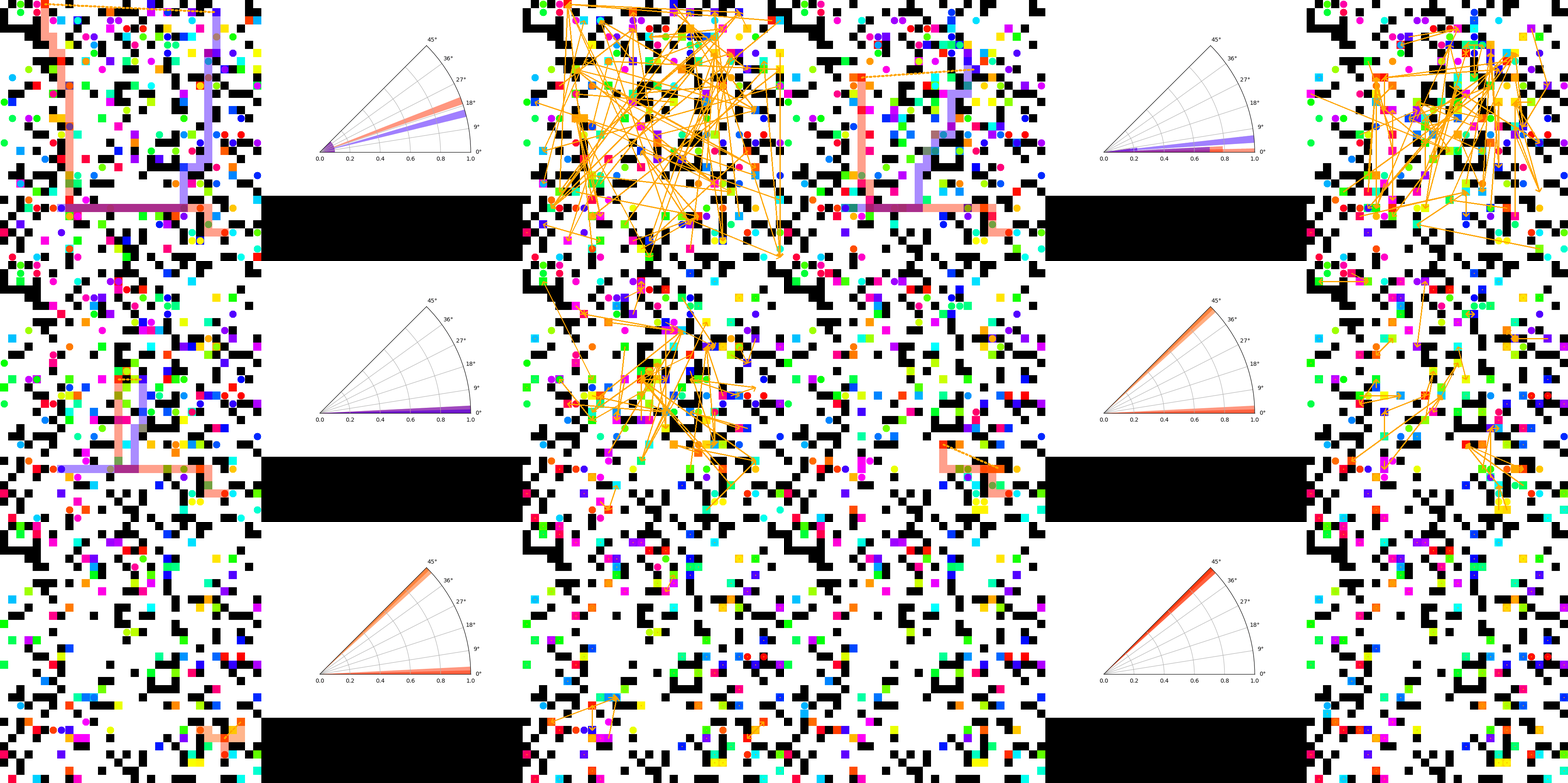
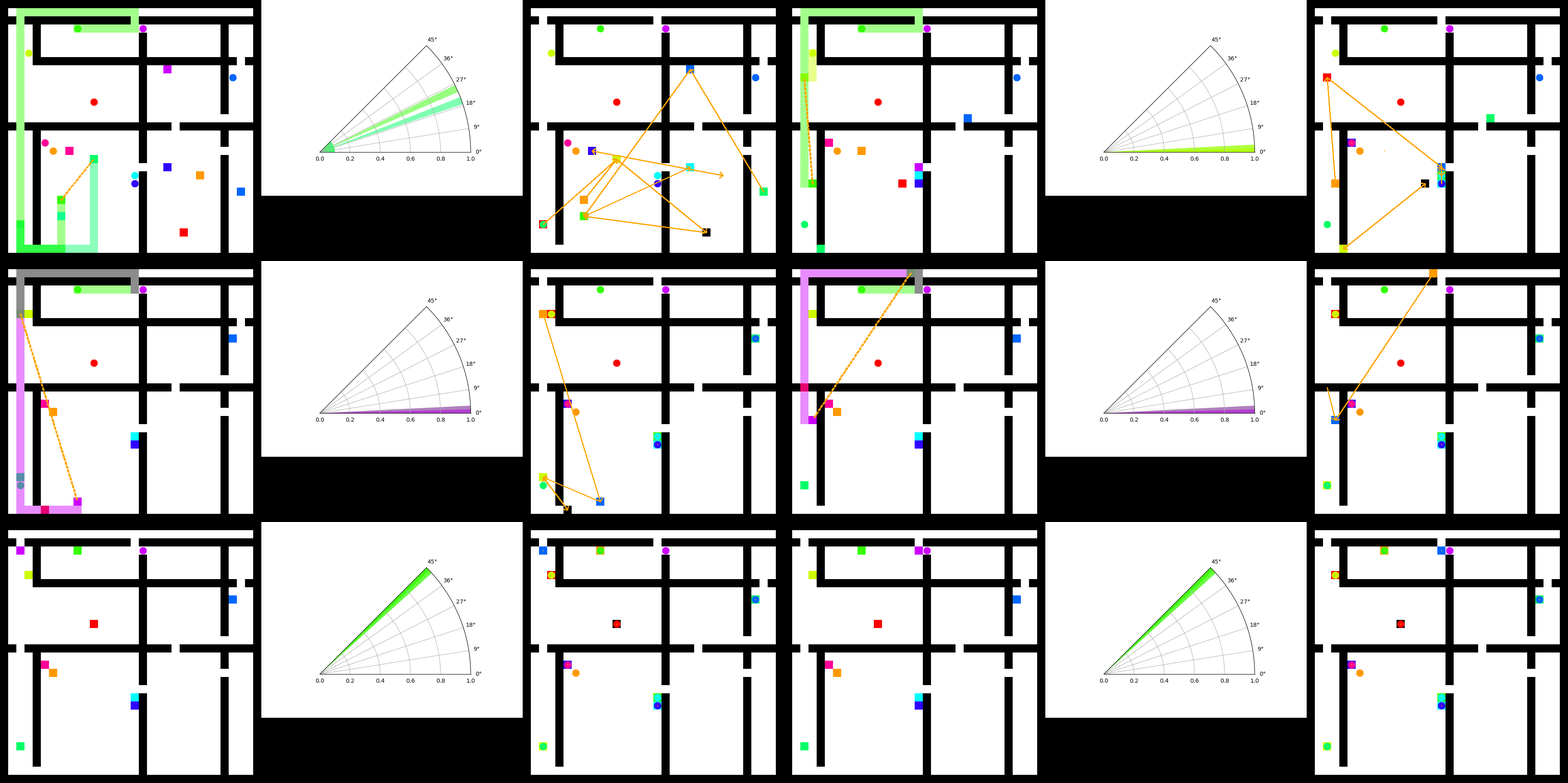
Watch SYLPH coordinate teams across open random maps, structured rooms, and constrained mazes. Colored paths show agents negotiating shared space in real time.
Hardware validation
Eight physical agents perform pathfinding in three map families, demonstrating coordinated behavior under real-world sensing and motion conditions.
Hardware experiment · 8 agents
Hardware experiment · 8 agents
Hardware experiment · 8 agents
Citation
If SYLPH supports your research, please cite the paper using the BibTeX entry provided.
Visit MARMot Lab@article{he2025social,
title={Social behavior as a key to learning-based multi-agent pathfinding dilemmas},
author={He, Chengyang and Duhan, Tanishq and Tulsyan, Parth and Kim, Patrick and Sartoretti, Guillaume},
journal={Artificial Intelligence},
pages={104397},
year={2025},
publisher={Elsevier}
}